Return to our grandmothers‘ tales
In today's digital age, old traditions tend to fade into the background. In the Czech Republic, we maintain calendar traditions and learn folk songs in music classes, but knowledge of old crafts is slowly disappearing; folk dances are performed primarily in villages, and our ancestors' stories and superstitions are told less often.
So why not return to traditions for a moment and share them with our partner libraries?
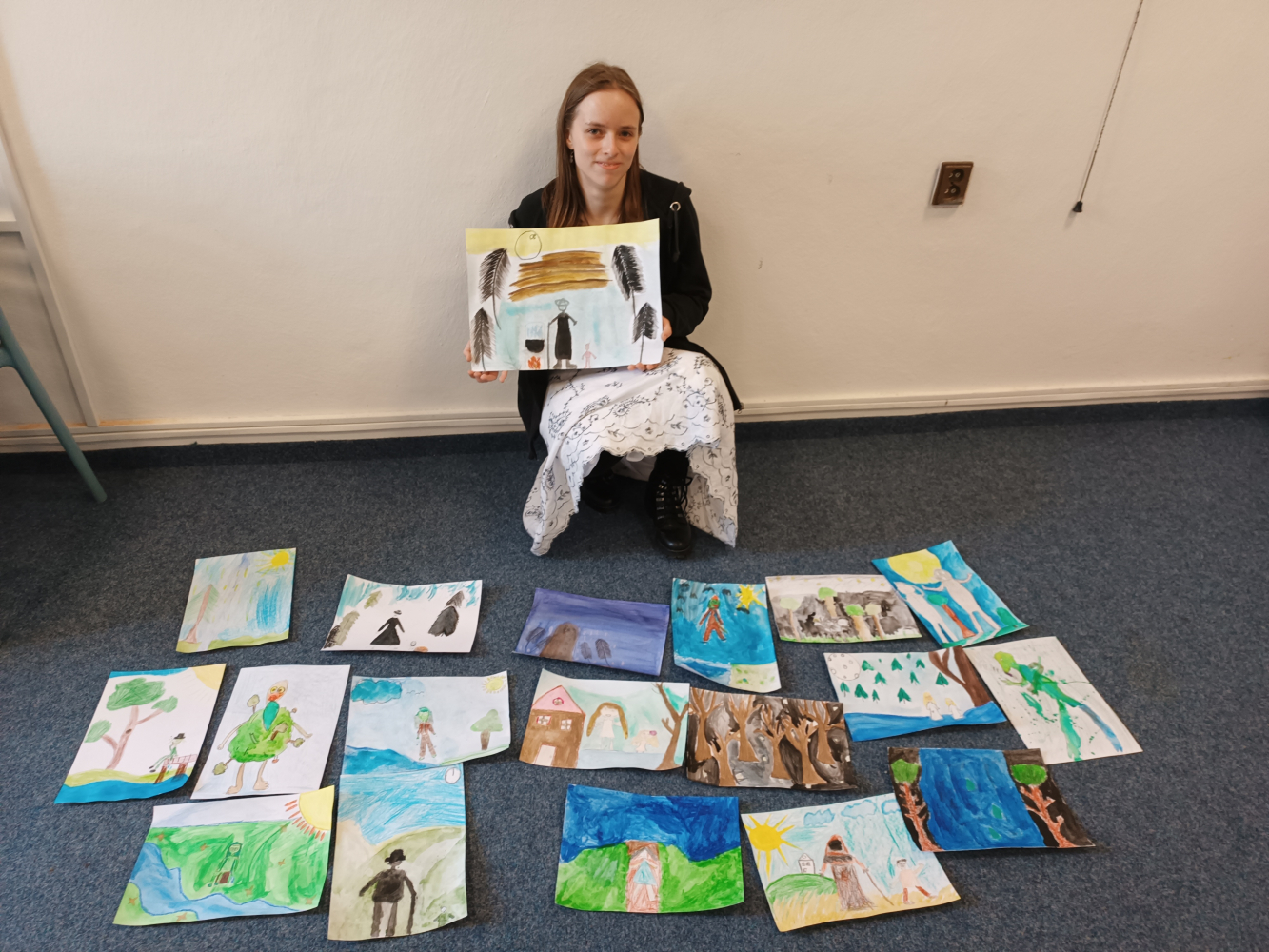
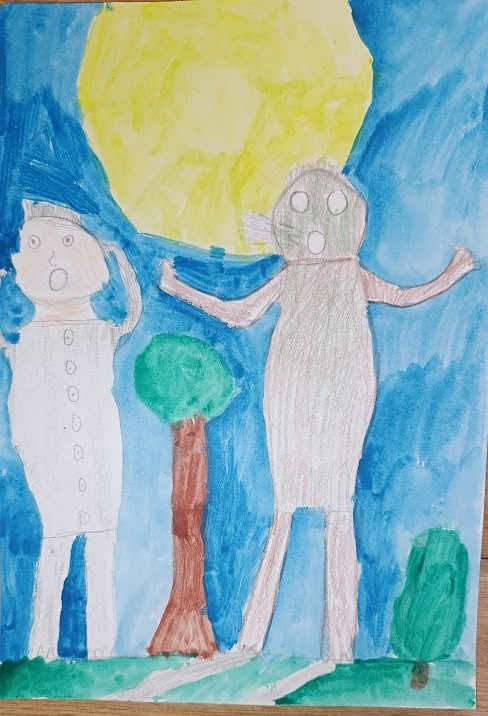
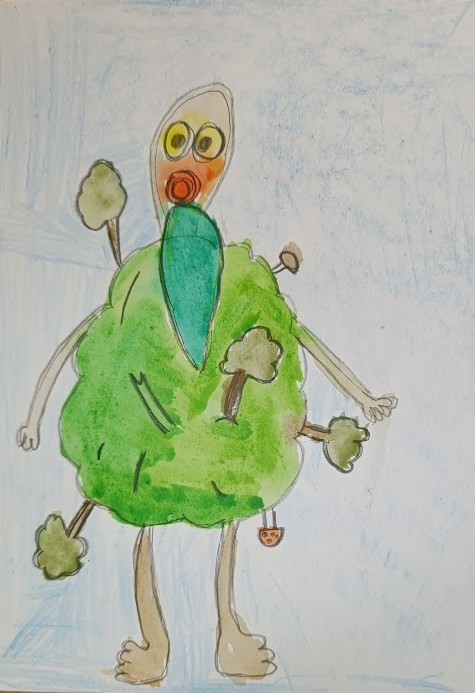
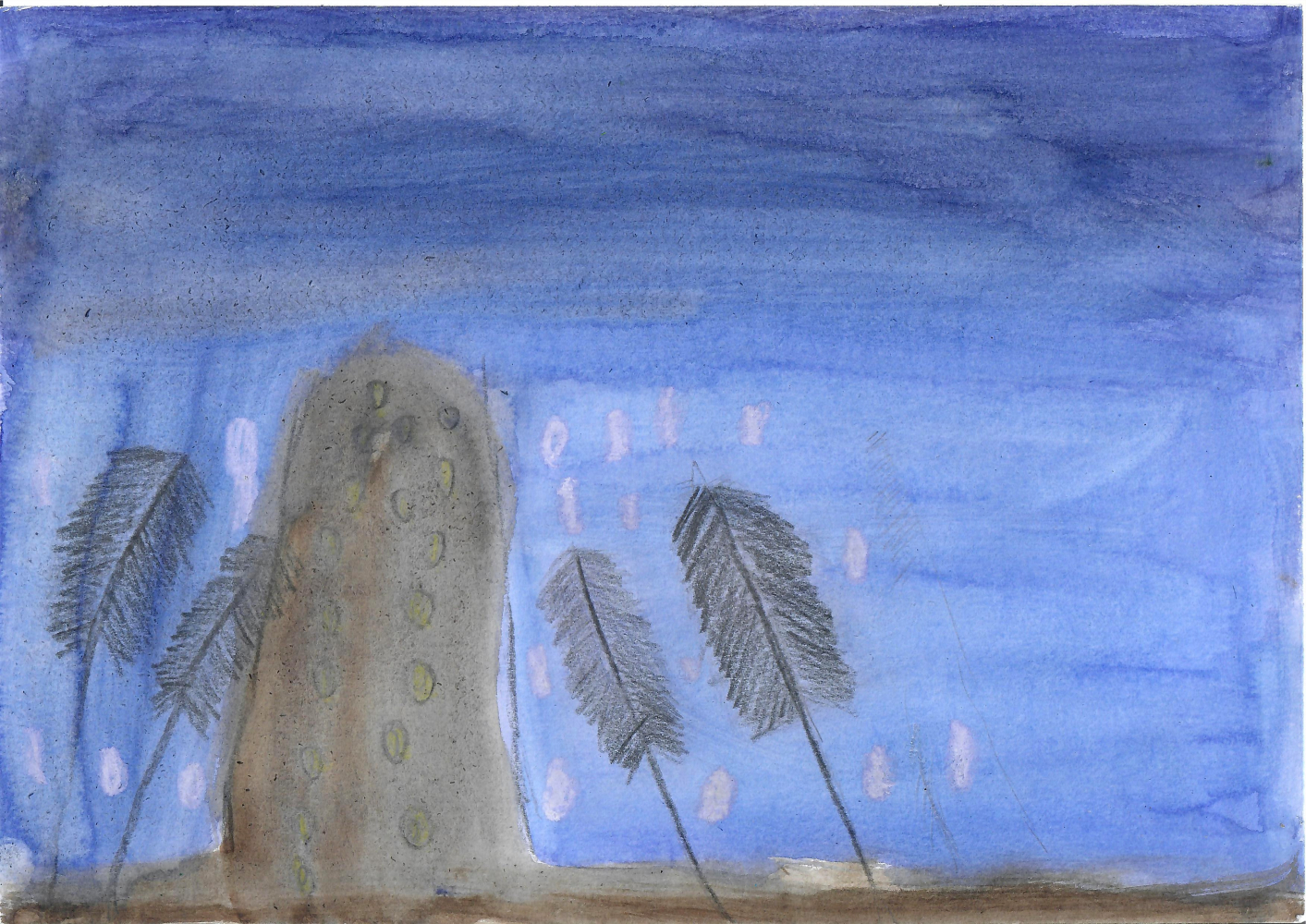
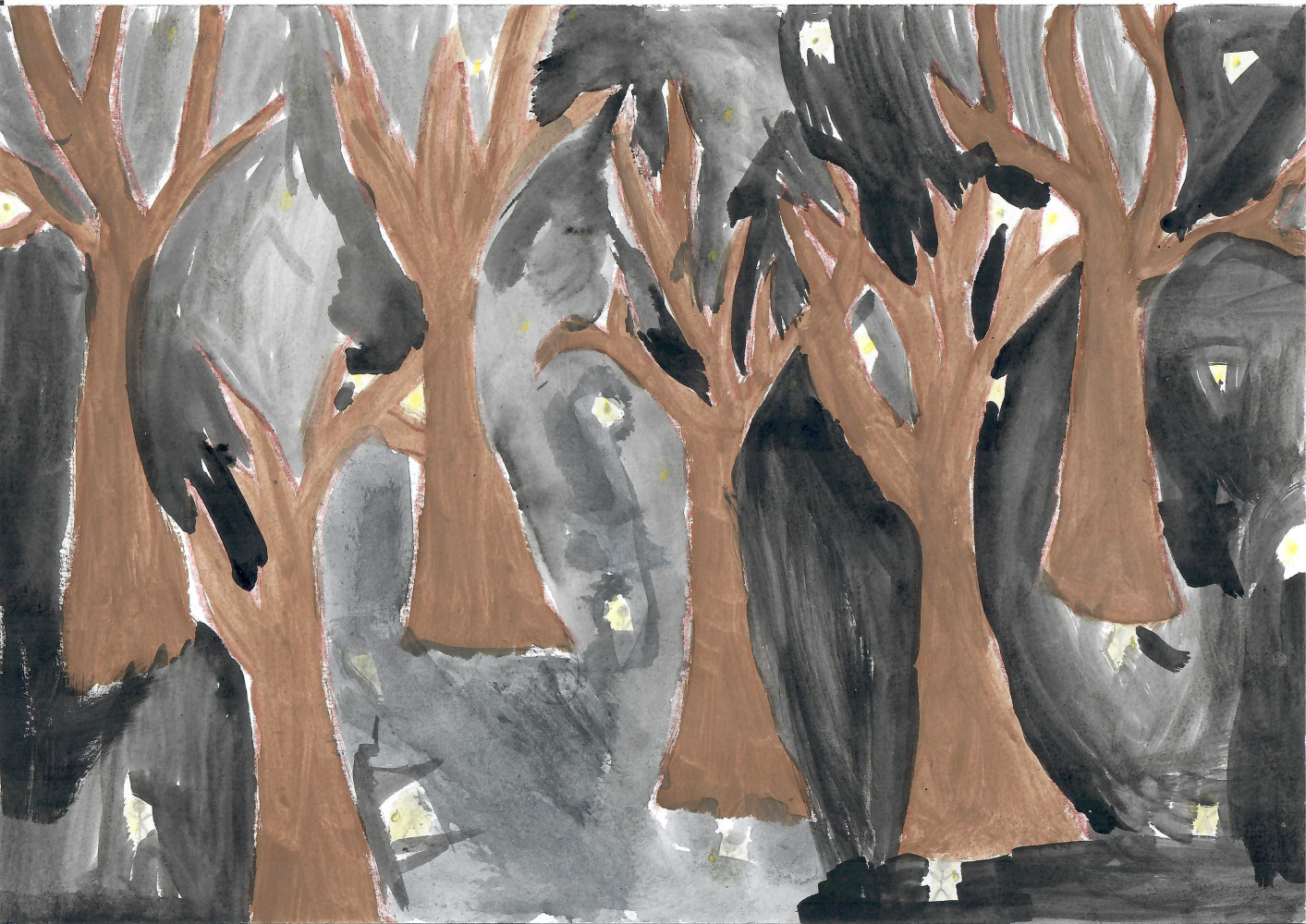
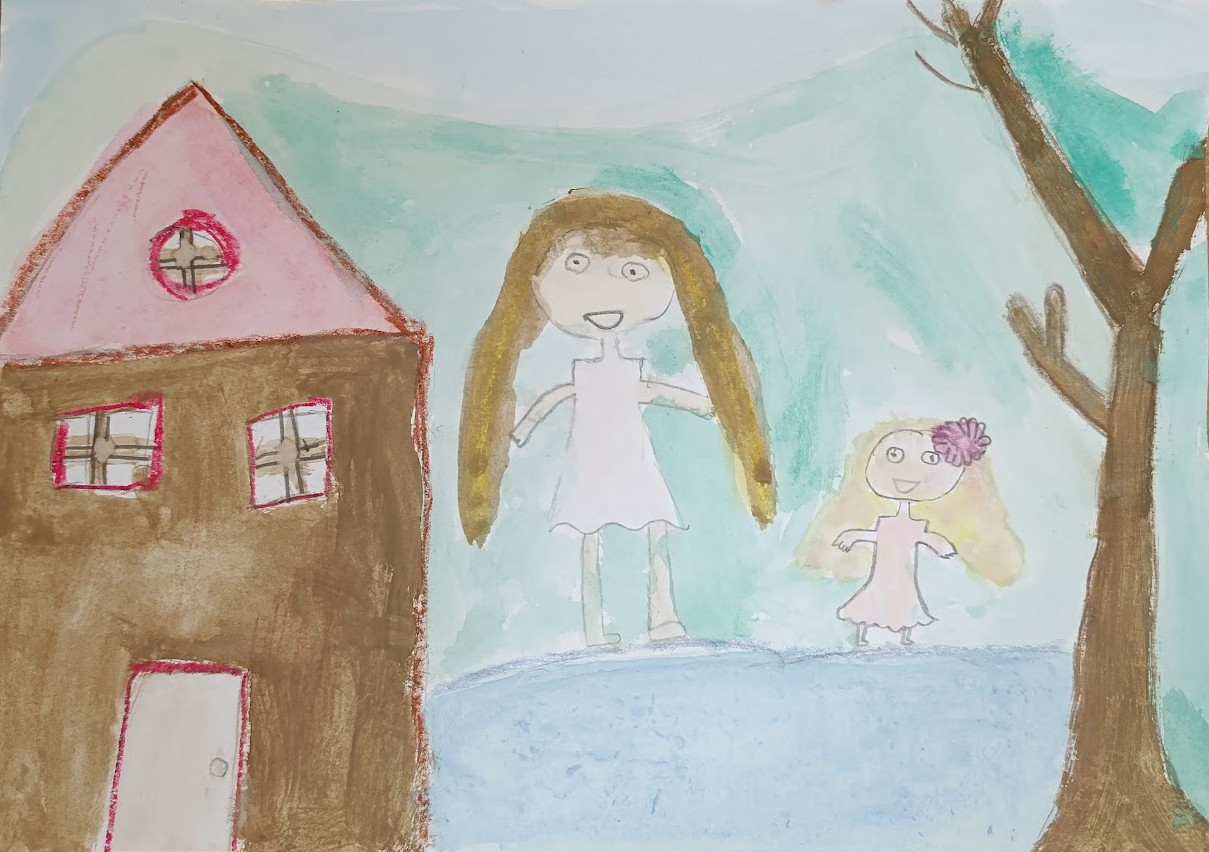
That is why Jana, a library science graduate from the Secondary School of Trade, Services, and Crafts in Tábor, with the artistic help of children from the 4th grade of the Primary School and Kindergarden Husova Tábor, has prepared a small online exhibition of five folklore creatures, about which the children learned and then drew papers with names to decide which character they would paint according to their own imagination with a bit of help.
Most of the children learned many new things and took a trip back in time, but a few participants already knew everything; at least they could refresh their knowledge and practice their artistic skills.
You can view the pictures here, along with descriptions of the creatures.
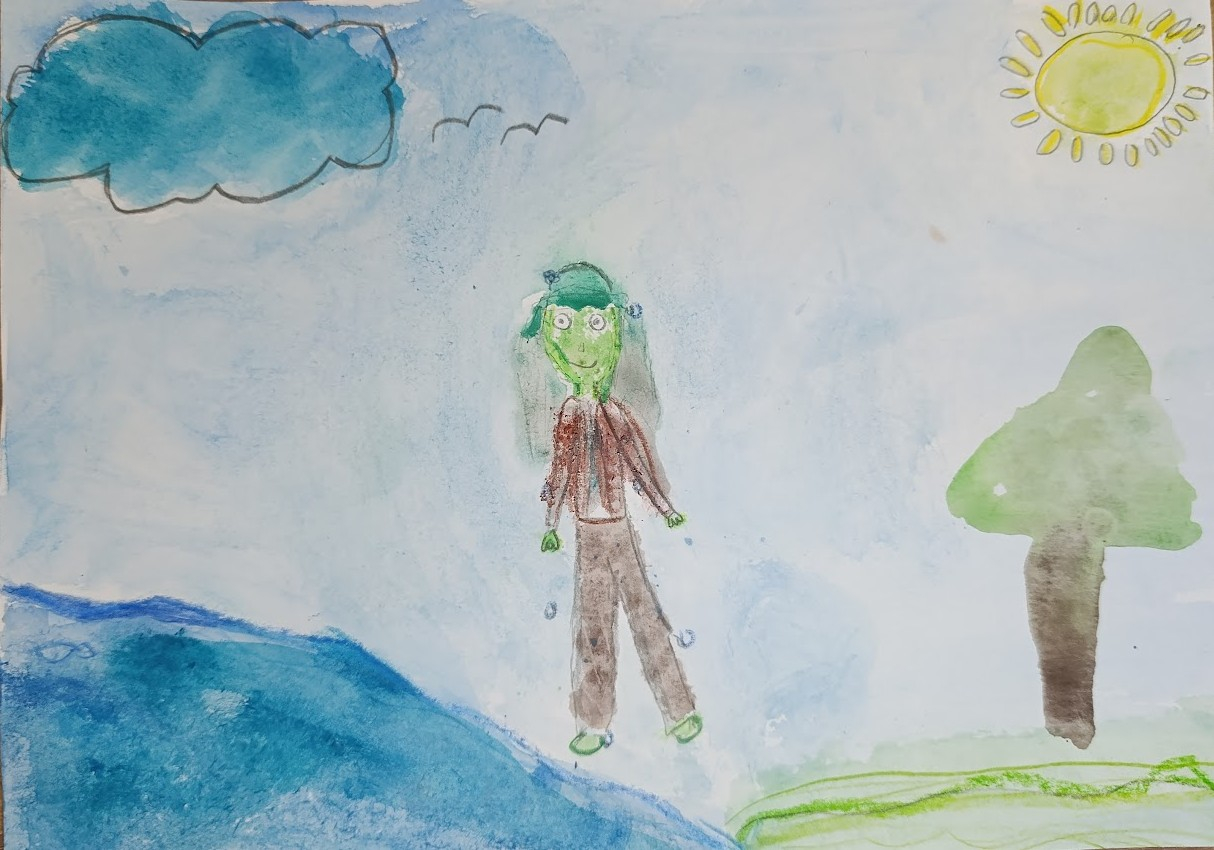
Forest Howler (In Czech Hejkal)
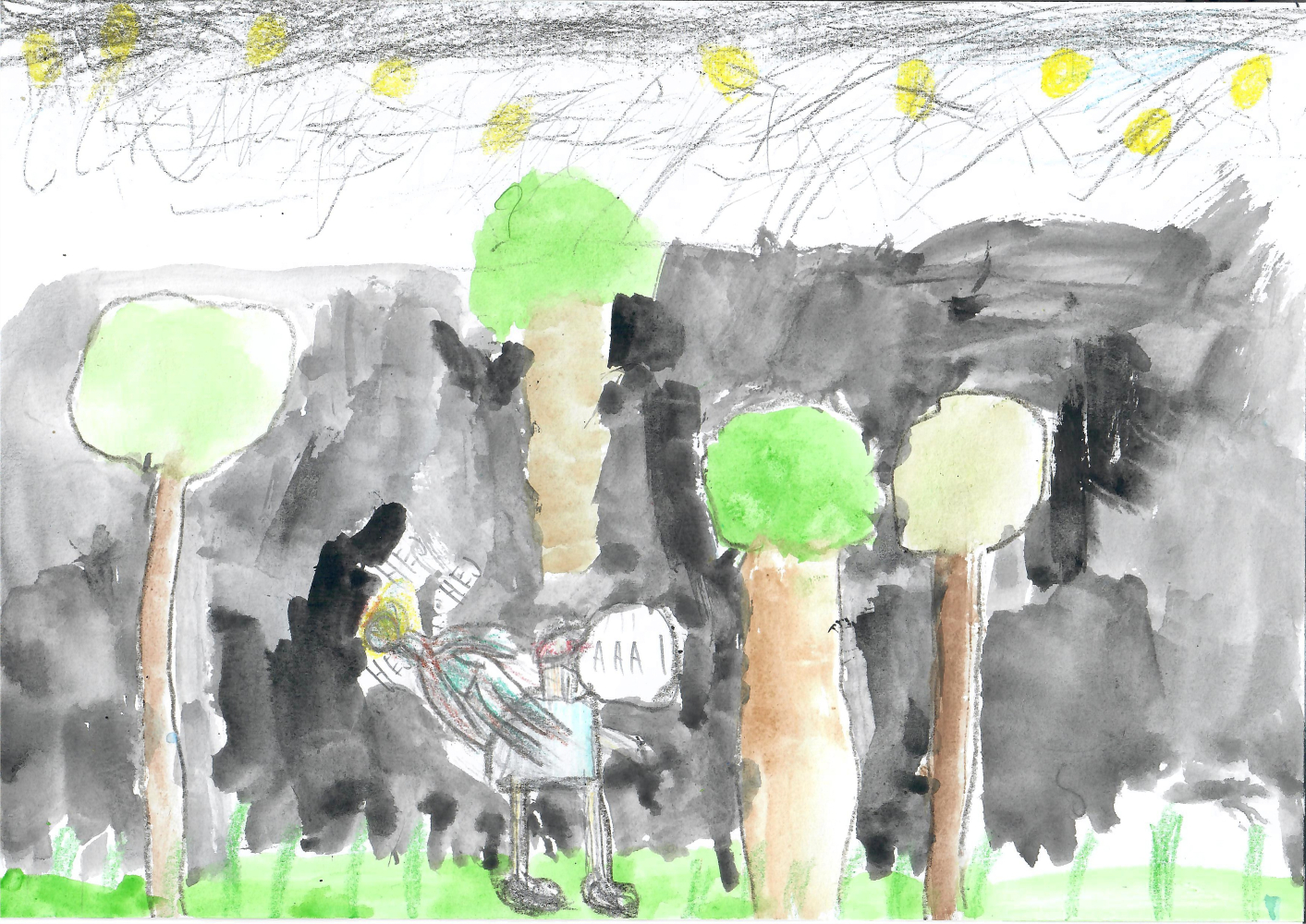
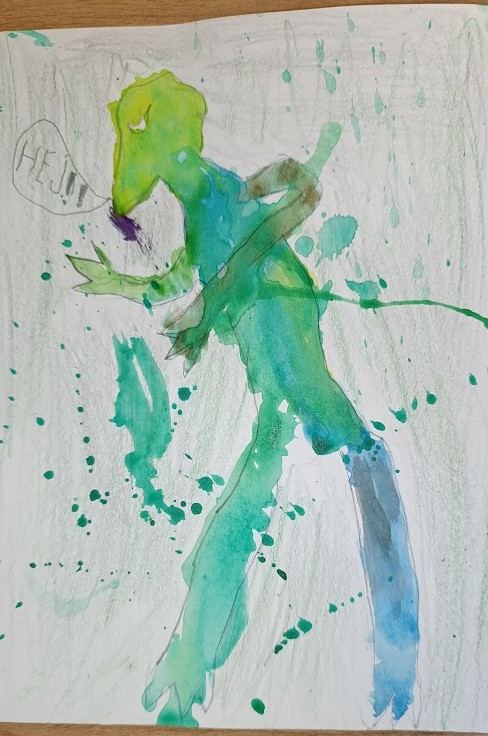
Forest Howler is a creature from Czech mythology, a forest ghost that protects the forest's silence. Because of his howling voice, it is said that anyone near this creature becomes deaf and loses consciousness. Forest Hoowler sits on a person's back if the person answers him. Forest Howler is a Czech explanation of the unexplainable sound in forests.
Forest Howler has many forms – a person, a bird, a little boy, a giant – and each has its own purpose. His most well-known look is that of a person covered in leaves, tree branches, moss, and other forest plants.
Will-o'-the-wisp (In Czech Bludičky)
Will-o'-the-wisp, the tiny lights, appear in the dark, most often in swamps, forests, and other uninhabitable areas. There are more versions of what the light could be. The children's version says the lights are the souls of the deceased who haven't found peace. Another version says they are unbaptized children with evil personalities.
Will-o'-the-wisp was an explanation for strange lights appearing in the pilgrim's sight and also served as a caution not to go to the nature areas in the dark.
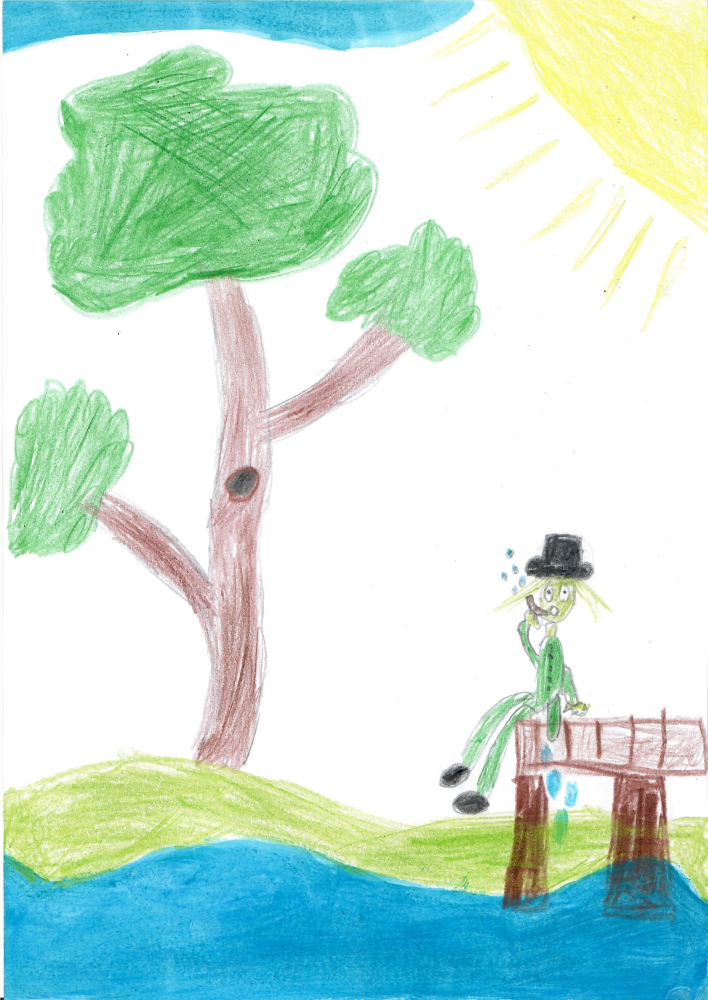
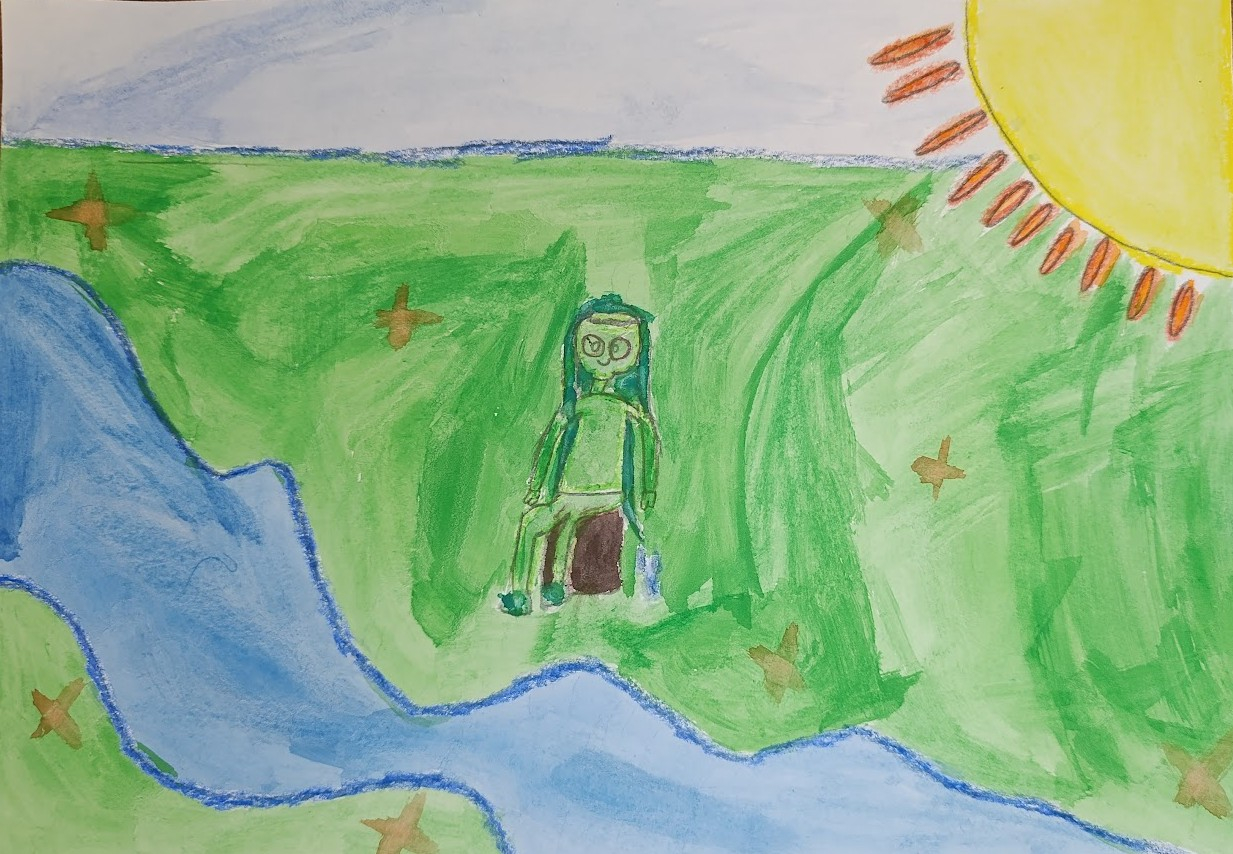
Water sprite or Vodyanoy (In Czech Vodník)
Vodyanoy is one of the most well-known supernatural figures in Czech mythology. It's a water sprite, a character with a greenish appearance. Initially, he was an evil and treacherous creature who caused trouble and drowned people. The creature gradually transformed into a green creature that lures girls into the water, dragging them down into the depths and taking them as his wife. His variety of stories served as a caution against spending more time than necessary near water, or that water can be dangerous. We have many movies with Vodyanoy (or water sprite), and the children knew some of them.
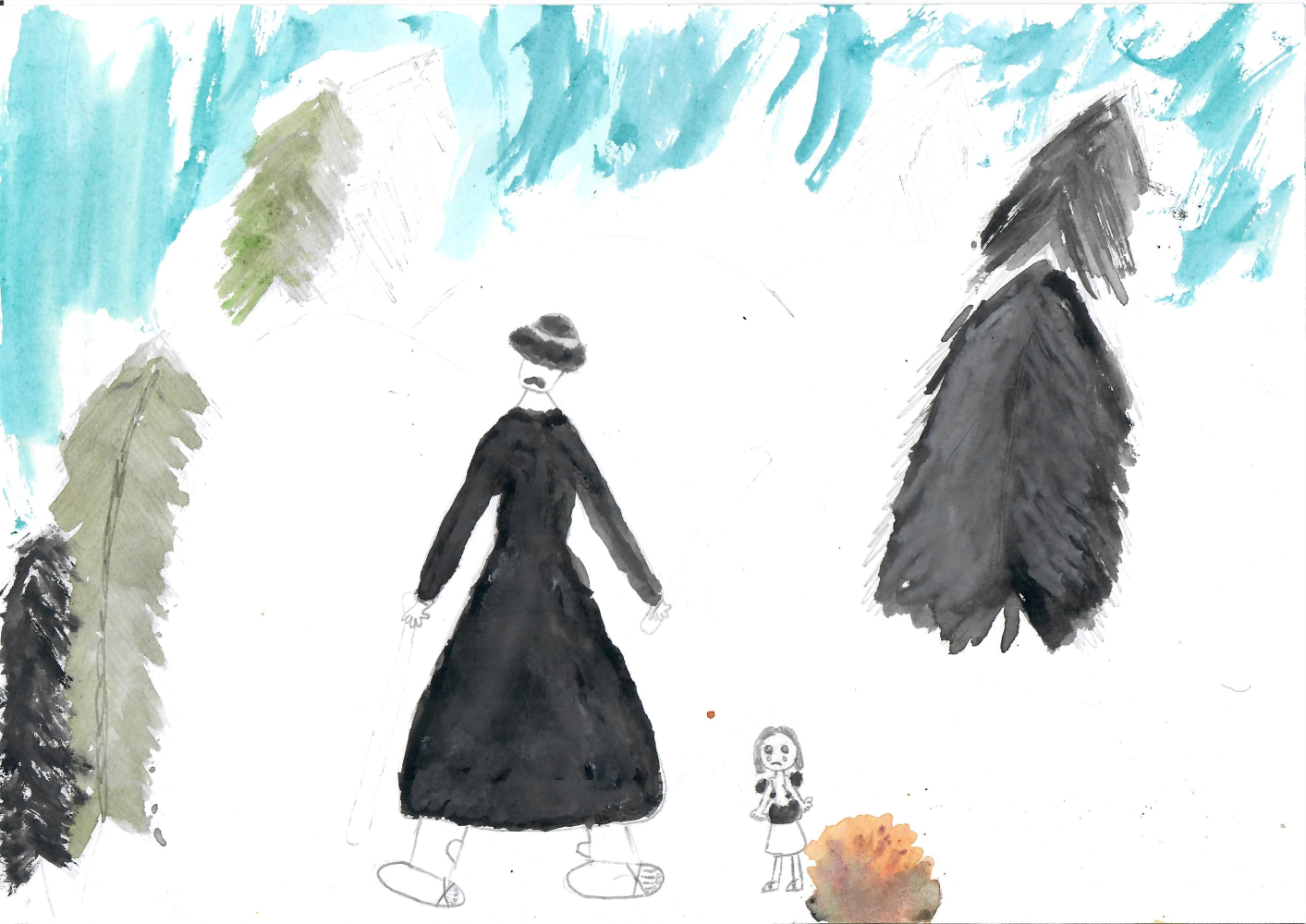
Lady Midday (In Czech Polednice)
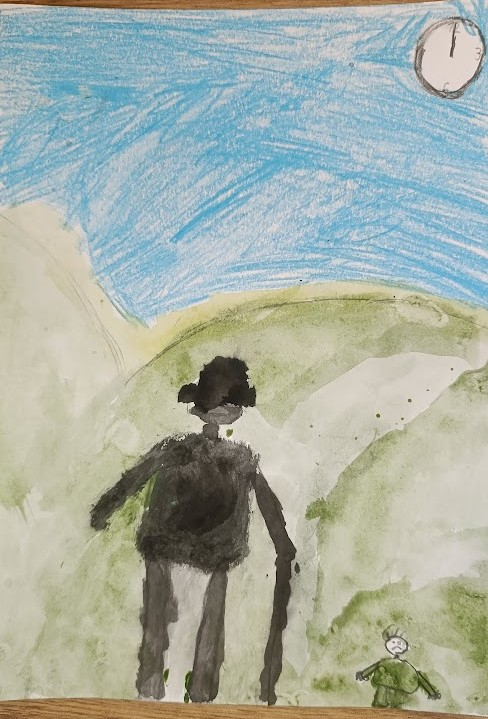
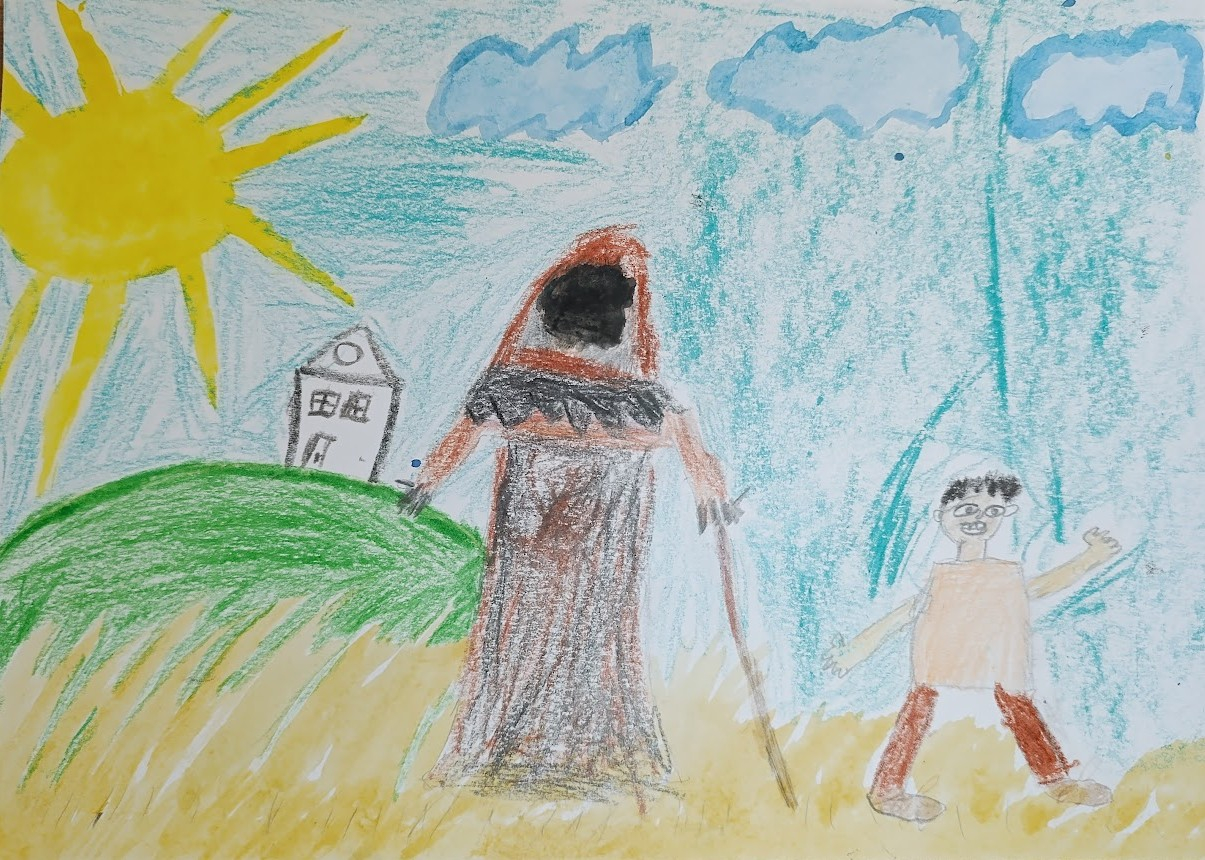
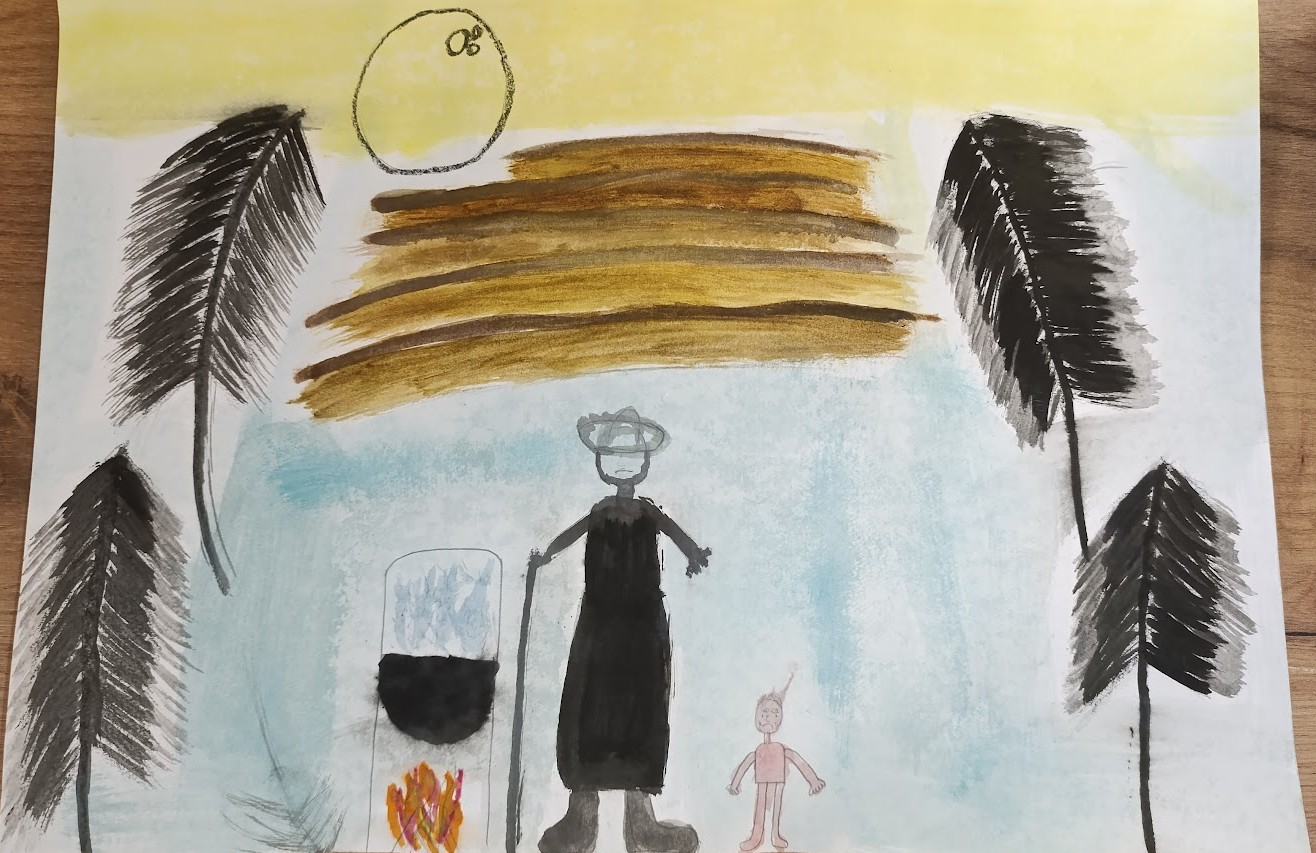
Lady Midday, together with the Water sprite, is not just a character but also an essential name in Czech poetry, which will be necessary for children in the future. The poems are from a collection of thirteen poems called Kytice by the well-known writer Karel Jaromír Erben. In the poem, Lady Midday is described as „small, brown, with a wild face/ … /on a crutch, crooked ribs, …“ but in the filmed version, she is tall. Another version of the tale says she is tall and clothed in black, and there are many others with diverse descriptions.
She was used as a caution against working at the hottest time of the day (noon). Parents were scaring their children, so they went home at that time of day to avoid heatstroke or exhaustion. It follows that the Lady Midday was punishing and disciplining children and even adults working in the fields during the hottest part of the day.
Water nymphs (In Czech Rusalky)
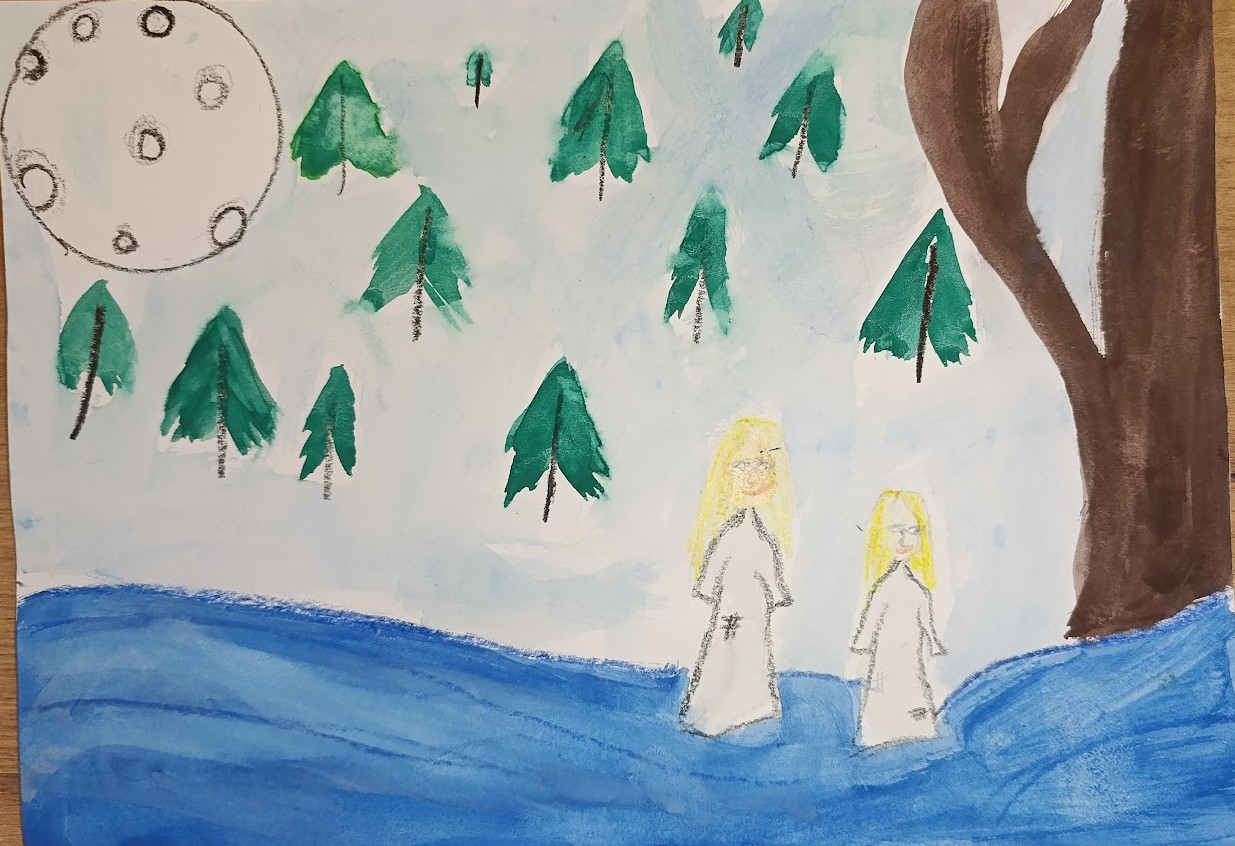
Even though Water nymphs are more common in Eastern Slavic mythology, we have their version here, too. Their purpose was similar to that of the Vodyanoys (Water sprites); the only difference was that they lured boys, not girls, into the water.
Water nymphs are beautiful water creatures, similar to fairies, that appear near water sources. It is said that the Water nymphs live in the water in winter, but when it is warmer, they get out and are most active in the summer during a full moon. They are enjoying their time out of the water, playing, dancing, and singing on the shore.
And how did it all unfold?
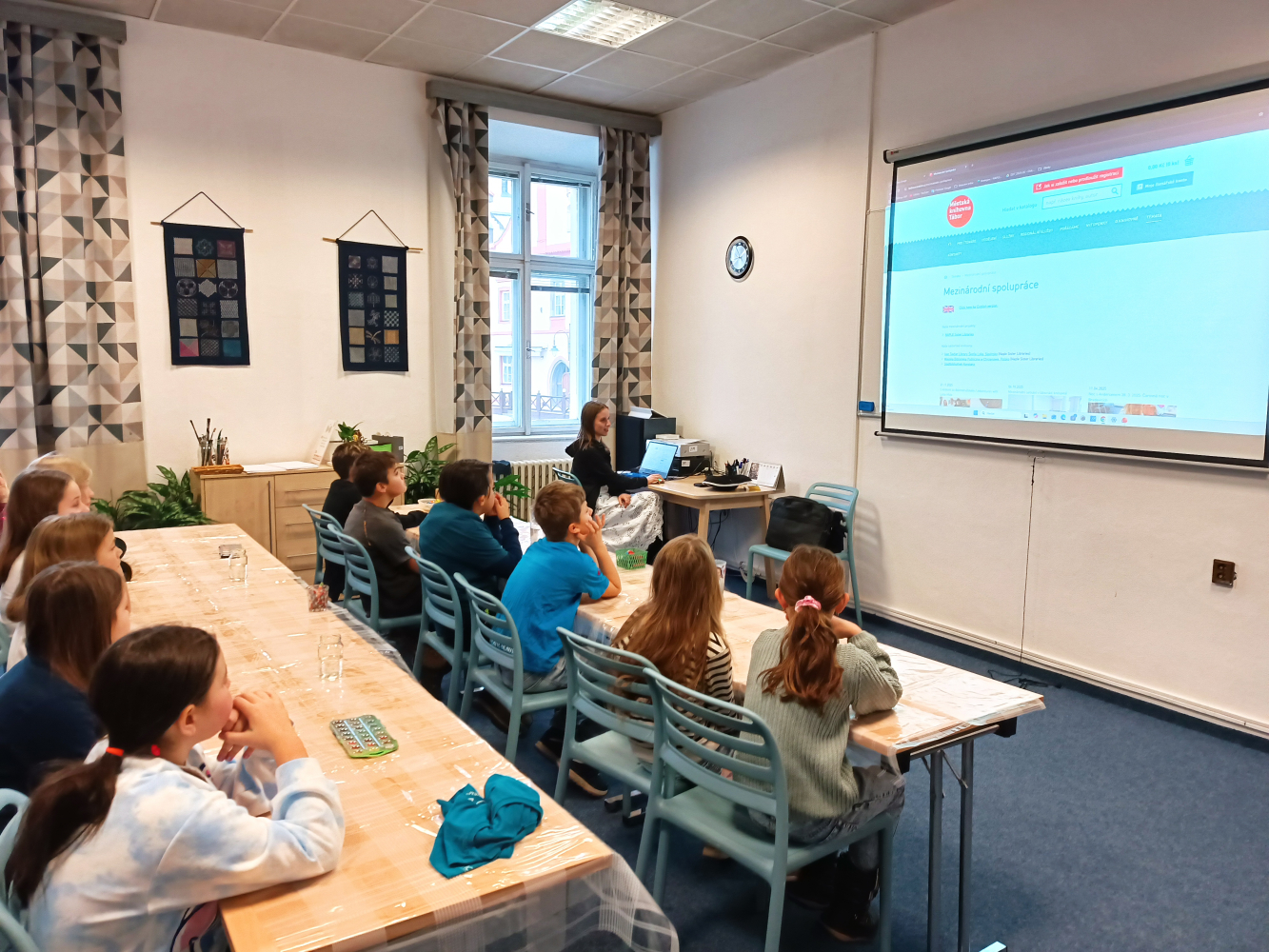
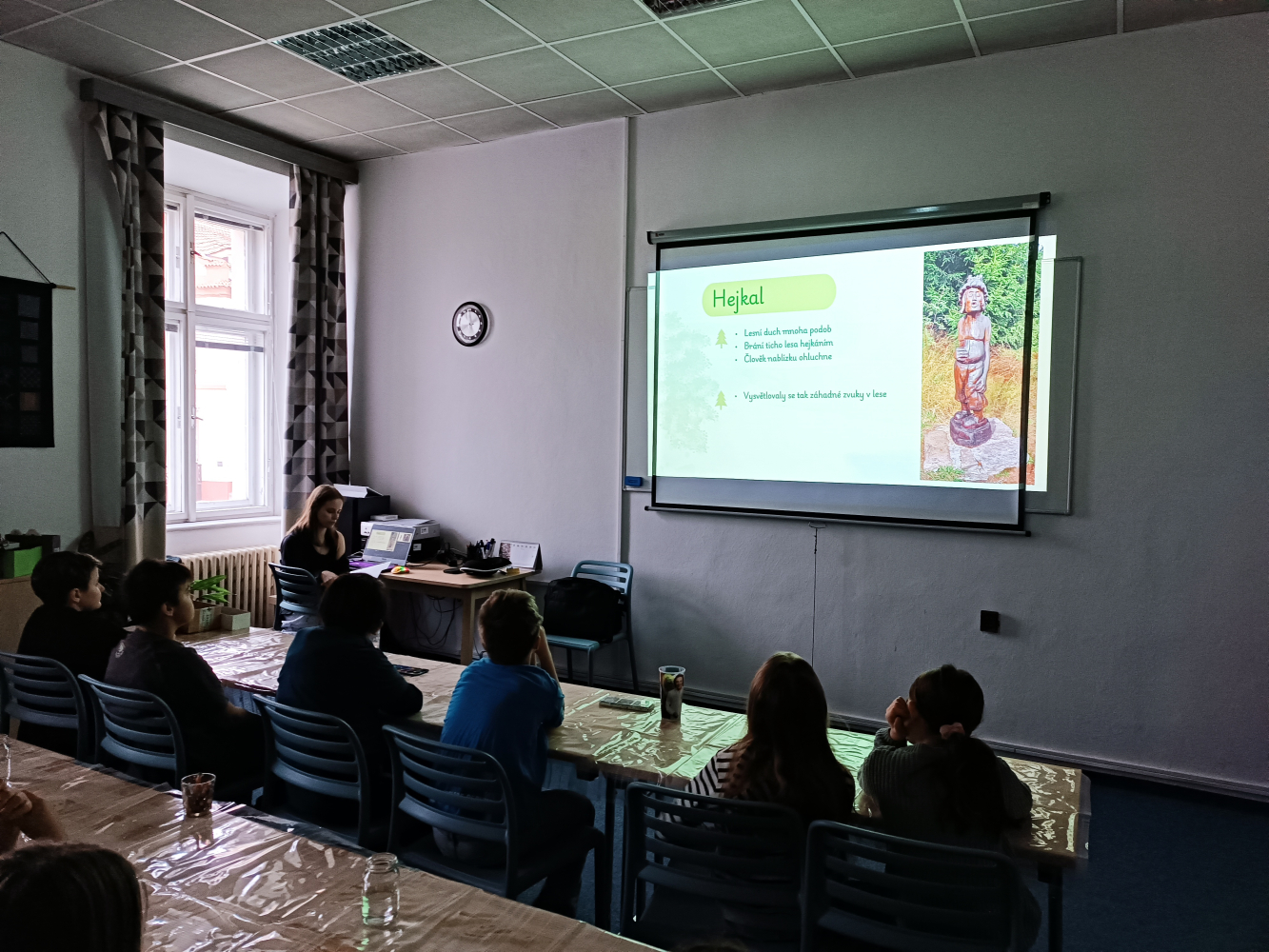
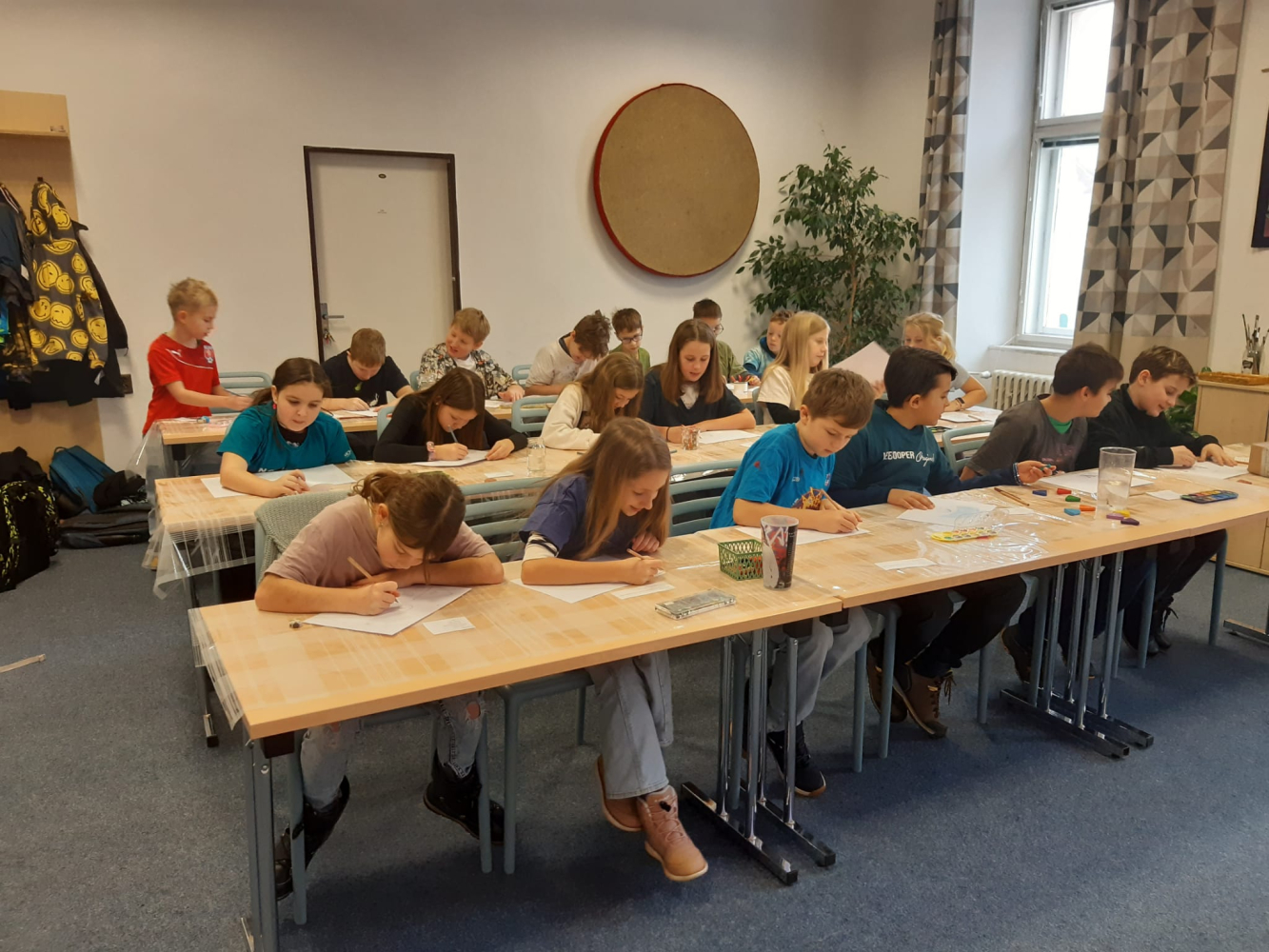
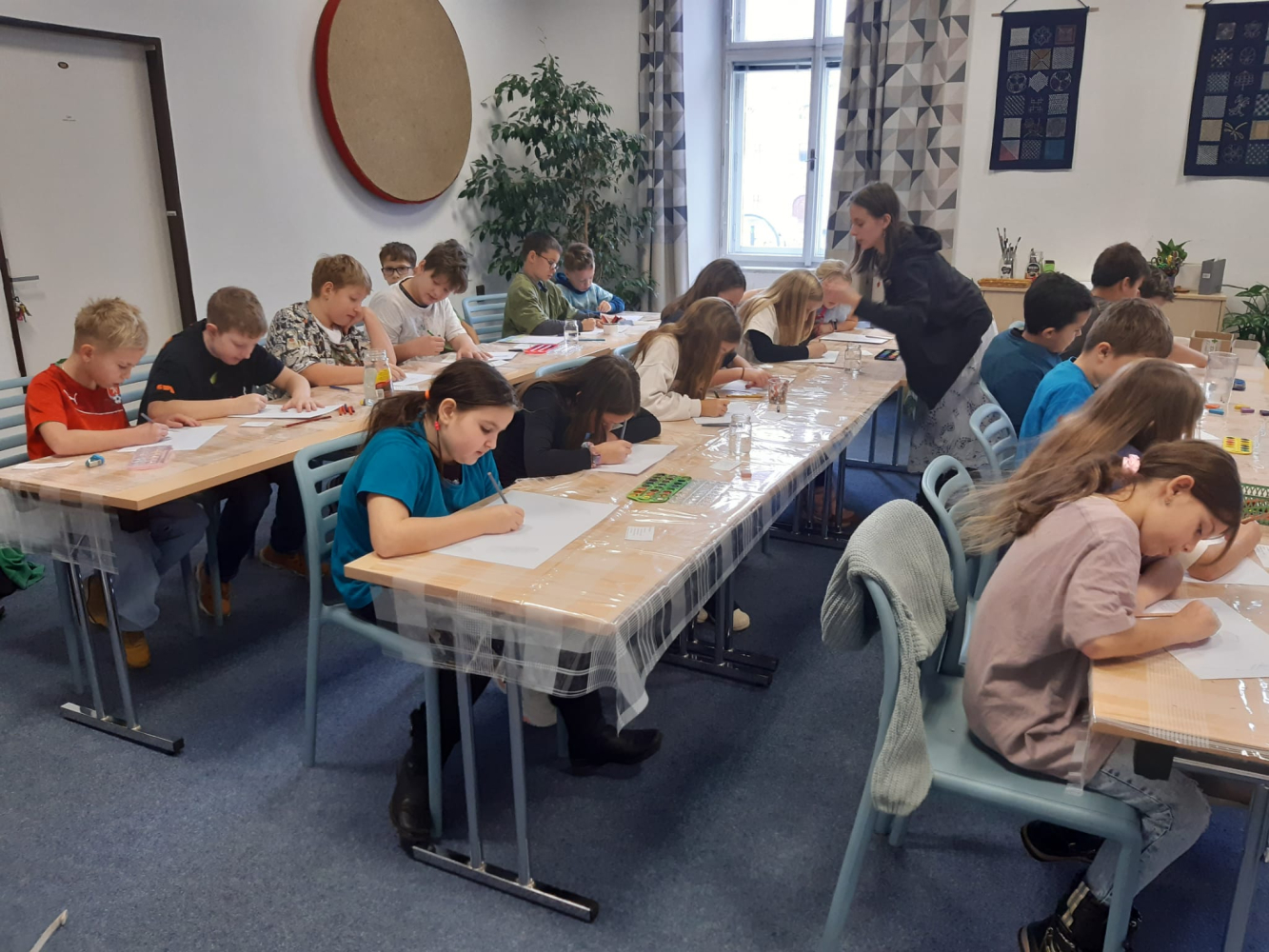
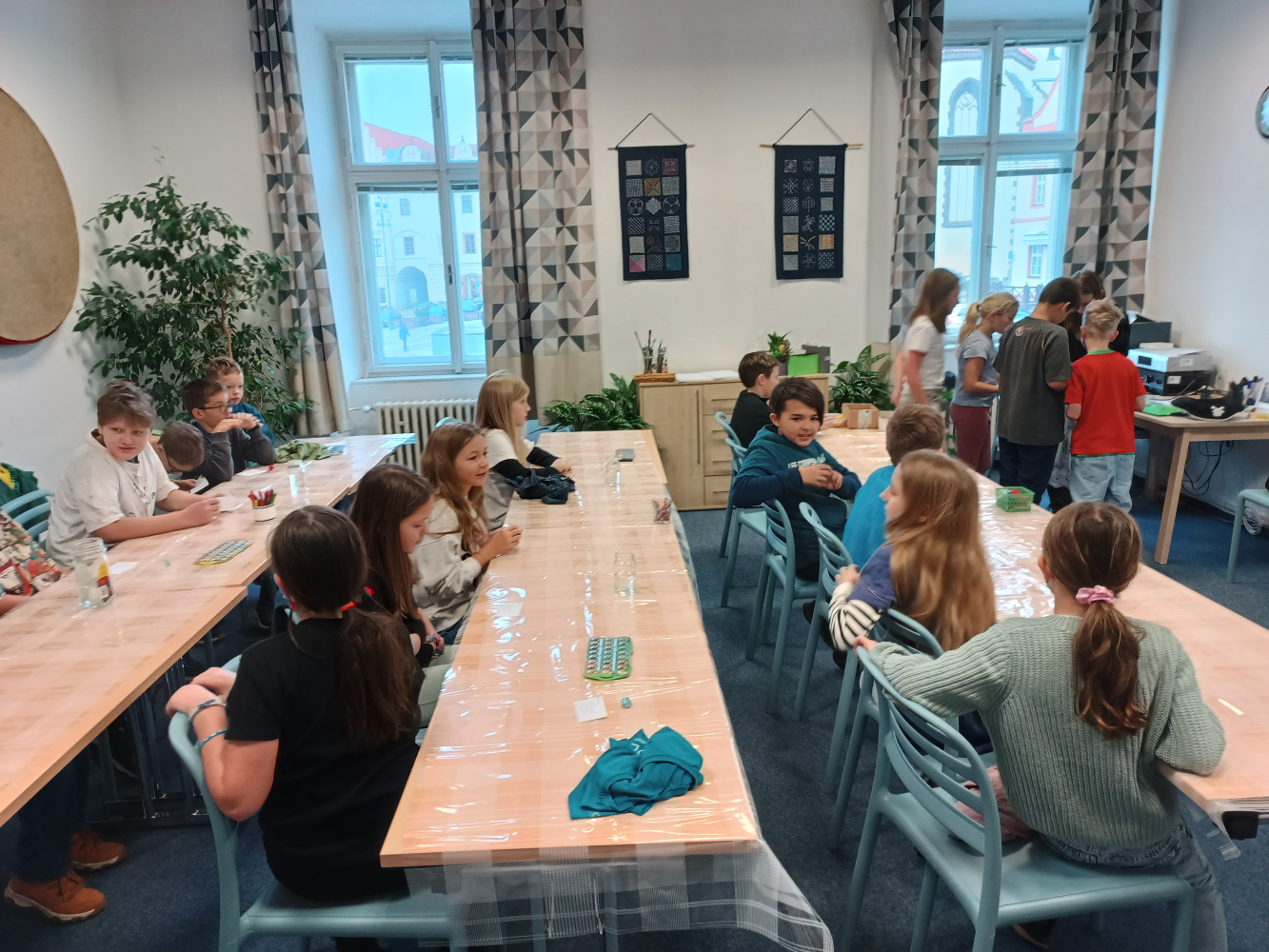
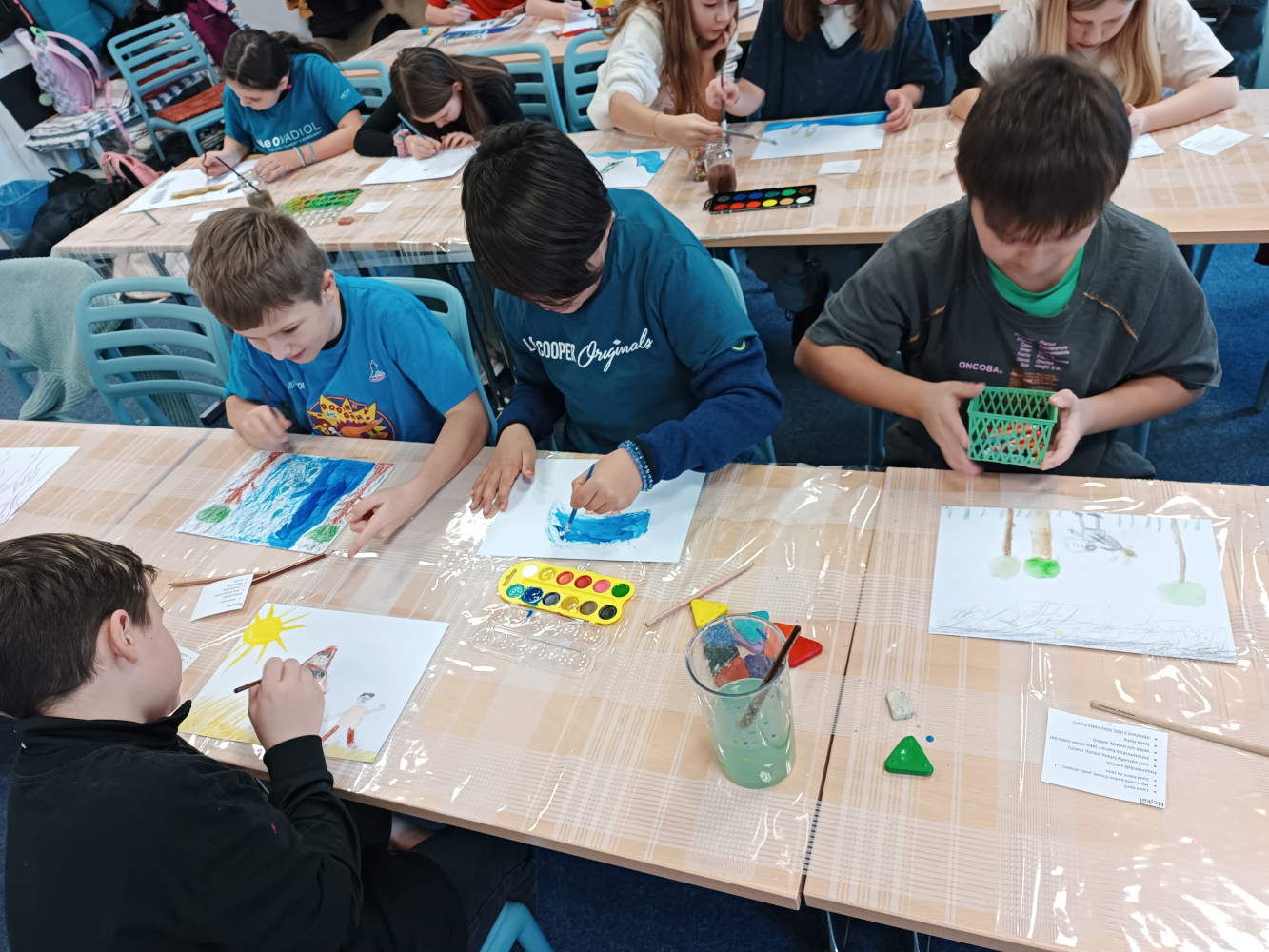
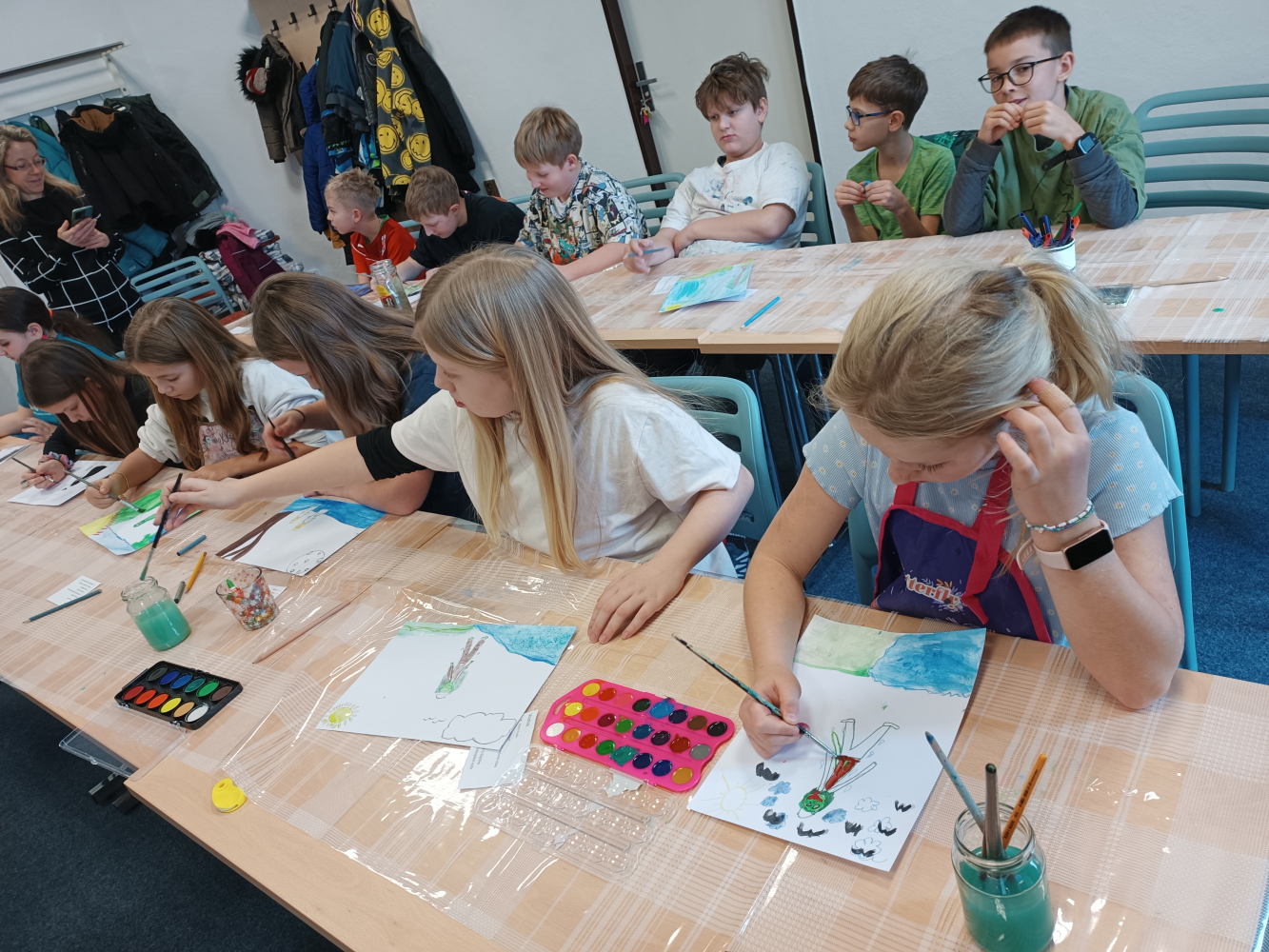
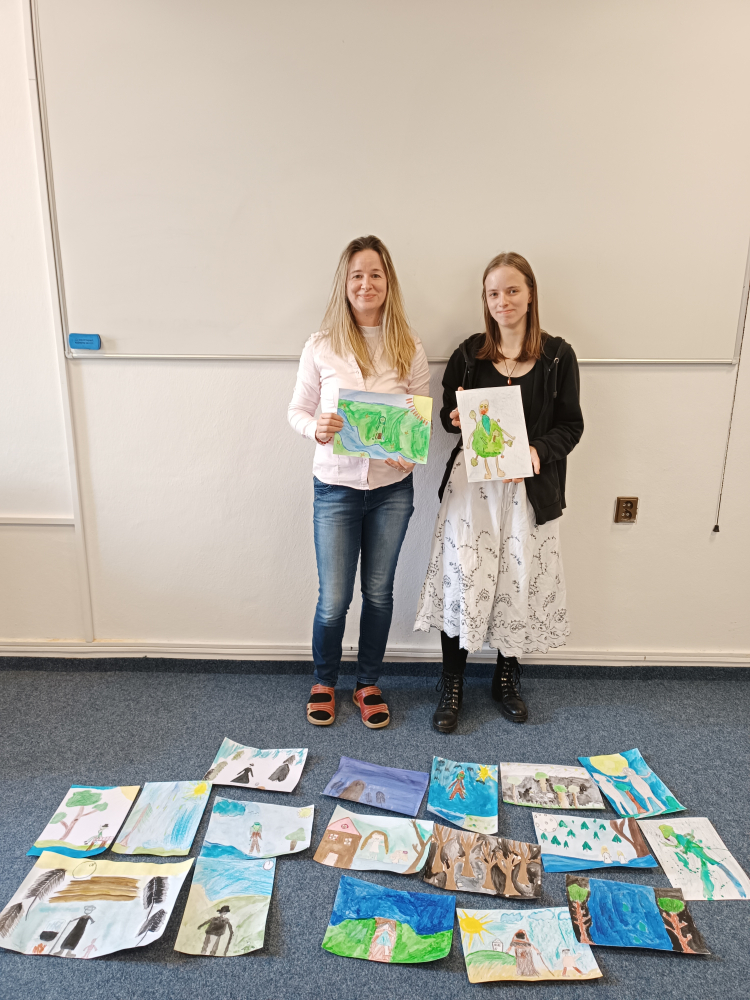
This online exhibition is held in cooperation with the Chrzanów Public Library (Poland) as part of the NAPLE Sister Libraries platform.
For more information about the event, visit the Chrzanów Public Library website (available in Polish and English).